S P E A K I N G ━━━━━━
📍 Bengaluru, India | Available for talks, workshops and keynotes
Hindu philosophy is a diverse intellectual tradition encompassing different schools of thought, methods of inquiry and approaches to understanding reality.
These traditions examine the nature of the self, consciousness, knowledge, causation, ethical responsibility and liberation. Their discussions include profound agreements, disagreements and competing explanations.
Who are we beyond the body, senses and changing experiences of the mind?
The concept of Ātman occupies a central place in several Hindu philosophical traditions. The Upanishads explore the nature of the self through questions about identity, consciousness and the relationship between the individual and ultimate reality.
Topics include:
The meaning and significance of Ātman
The relationship between the self and the body
The distinction between the changing mind and the self
The Upanishadic exploration of self-knowledge
Different philosophical interpretations of the individual self
What is the ultimate foundation of existence?
The Upanishads investigate Brahman through profound philosophical discussions concerning reality, existence and the source of all things.
Different Vedānta traditions interpret Brahman and its relationship with the individual self in distinct ways.
Topics include:
The meaning of Brahman in the Upanishads
The relationship between Brahman and the universe
Brahman and the individual self
Advaita, Viśiṣṭādvaita and Dvaita perspectives
The philosophical search for ultimate reality
Why do actions matter? How do Hindu philosophical traditions explain action's consequences and the continuity of existence?
Several Indian philosophical and religious traditions discuss the concepts of Karma and rebirth, offering different explanations of their mechanisms and implications.
Topics include:
The meaning of Karma
Action, intention and consequences
Karma and Dharma
Rebirth and the continuity of the individual
Liberation from the cycle of birth and death
What is consciousness? Is it a product of material processes, an irreducible principle or something understood through a different philosophical framework?
Indian philosophical traditions offer several approaches to understanding consciousness, experience and the relationship between the mind and reality.
Topics include:
Consciousness in Hindu philosophical thought
The relationship between mind, senses and awareness
The distinction between Puruṣa and Prakṛti in Sāṃkhya
Consciousness and self-knowledge in Vedānta
Philosophical approaches to perception and experience
Indian philosophical thought developed through several schools that examined knowledge, reality, causation, language, ritual and liberation.
The six classical Āstika schools are traditionally identified as:
Nyāya: Logic, reasoning and valid knowledge
Vaiśeṣika: Categories of reality and the nature of substances
Sāṃkhya: The distinction between Puruṣa and Prakṛti
Yoga: Discipline, meditation and the path towards liberation
Pūrva Mīmāṃsā: Vedic interpretation, ritual action and Dharma
Vedānta: The interpretation of the Upanishads, Brahman and the self
This talk introduces the distinctive approaches of these schools and explores how their arguments contributed to India's philosophical heritage.
What does it mean to be liberated? How do different Hindu philosophical traditions understand freedom from suffering, ignorance and the cycle of rebirth?
Mokṣa is a central goal in many Hindu philosophical traditions, although its precise meaning and the means of attaining it differ across schools.
Topics include:
The meaning of Mokṣa
Ignorance and the nature of bondage
Knowledge, devotion and disciplined action
Different philosophical interpretations of liberation
The relationship between self-knowledge and spiritual freedom
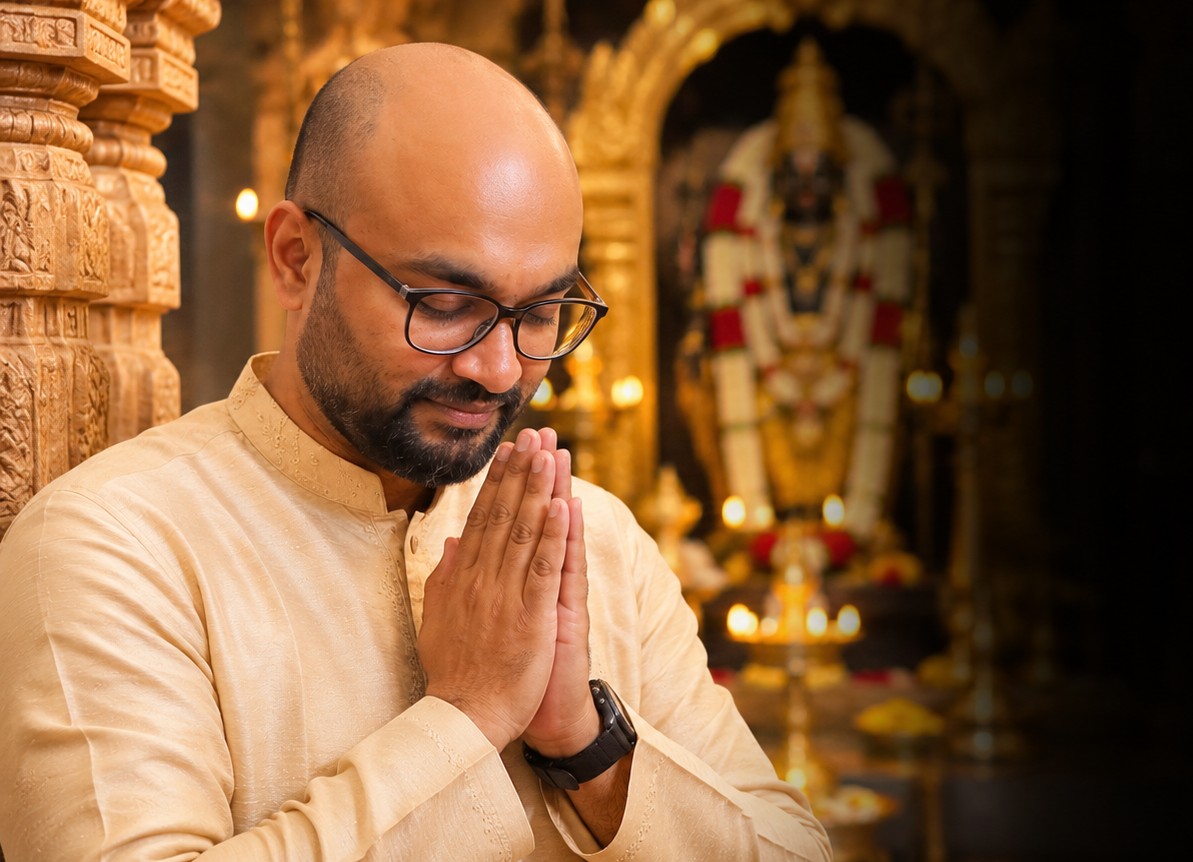
Ancient philosophical questions continue to invite serious reflection.
The study of Hindu philosophy can open discussions about personal responsibility, identity, ethical choices, consciousness, knowledge and the meaning of human existence.
These sessions connect philosophical concepts with contemporary questions while respecting their original context.
Exploring the nature of identity through the Upanishadic discussions of Ātman and self-knowledge.
Understanding Dharma, Karma and the philosophical foundations of responsible action.
Examining how Indian philosophical schools approached valid knowledge, logic, perception and interpretation.
Discussing philosophical approaches to awareness, existence and the relationship between the individual and the universe.
Focused presentations exploring a central philosophical theme, an important text or a question from India's intellectual traditions.
Subject-focused talks for colleges, universities, educational institutions and cultural organisations interested in Indian philosophy.
In-depth sessions examining selected philosophical concepts, scriptural passages and traditional schools of thought.
Open conversations exploring Hindu philosophy, consciousness, Dharma, existence and their relevance to contemporary society.
Discussions connecting selected ideas from the Bhagavad Gita and Indian philosophical traditions with responsibility, decision-making, discipline and leadership.
Jayanth’s speaking subjects may be suited to a range of organisations, institutions and audiences.
Each session can be developed around the event’s theme, audience and duration.
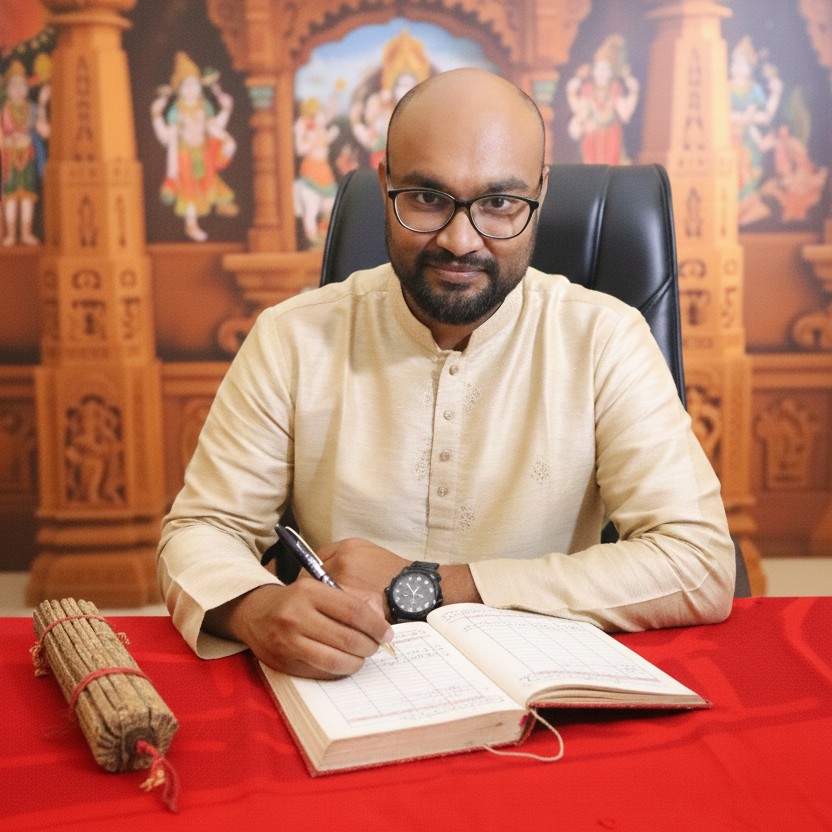
Jayanth Dev is an Indian author, speaker and researcher whose work explores Hindu scriptures, Sanātana Dharma and India’s civilizational traditions.
He is the author of I Met Parashurama: He Is Still Alive, Escaping the Unknown and the Dhantasura series.
His writing and research span Hindu epics, philosophical ideas, temple traditions, Indian history and scriptural interpretation.
Through his talks, books and digital content, he aims to encourage a deeper engagement with India’s knowledge traditions and examine what the original sources actually say.
Planning a conference, corporate event, educational programme or cultural gathering?
Invite Jayanth Dev for a talk, keynote or workshop exploring the Bhagavad Gita, Hindu philosophy, Sanātana Dharma and India’s civilizational traditions.
Jayanth Dev is an Indian author, speaker and researcher based in Bengaluru. His work explores Hindu scriptures, Hindu philosophy, Sanātana Dharma and India’s civilizational traditions.
Hindu philosophy refers to a diverse body of Indian philosophical traditions that investigate reality, consciousness, knowledge, the self, ethical responsibility and liberation. It includes several schools with distinct approaches and interpretations.
His subjects include Ātman, Brahman, Karma, rebirth, consciousness, Mokṣa, the Upanishads and the six classical schools of Hindu philosophy.
Yes. The Upanishads are among the important traditional sources explored in his discussions of the self, ultimate reality, consciousness and self-knowledge.
Use the speaking enquiry form on this website or visit the main Speaking page to discuss a suitable topic, format and event date.
Books · Articles · Videos · Speaking
Copyright © 2026 Jayanth Dev. Built with 💡 by Popupster.in — The Creative Marketing Company