“I Drink. I Smoke. I Don’t Follow Ritual. I Think I’m a Sinner.” — Stop That Thinking. Bhakti Is For...
I write books and create long-form articles and videos exploring Hindu scriptures, Sanatana Dharma, and civilizational narratives.
My work examines how ideas, rituals, and texts are structured and transmitted across time, drawing from scriptural sources and traditional classifications to offer clear, grounded explanations.


“I Drink. I Smoke. I Don’t Follow Ritual. I Think I’m a Sinner.” — Stop That Thinking. Bhakti Is For...

Don’t Confuse Guru with God: Krishna’s Teaching on Action, Not Worship Watch the full video explanation https://youtube.com/shorts/ZhYTEegjWtw Don’t Confuse Guru...

Why Is the Cow Called Mother in Hindu Dharma? The Theological, Historical, and Civilizational Basis Watch the full video explanation...

Why Śiva Rātri—and Not Śiva Prātaḥ or Sāyaṅkāla? Understanding Night as the Gateway to Dissolution Watch the full video explanation...

Why the Mahābhārata Is Written in Poetry: The Genius of Vyāsa and Ganesha’s Compact Watch the full video explanation https://youtube.com/shorts/FuGvqRaUQPI...

Lalita Sahasranama Decoded: The Architecture of Conscious Power—A Precision Map of How Reality Operates Watch the full video explanation Lalita...

Did Krishna Have 1,60,000 Children? The Complete Story of Krishna’s Dvāraka Family Watch the full video explanation https://youtube.com/shorts/4X9KfitjzVI Did Krishna...

Why a Temple Form Is Called a Deity, Not an Idol: Understanding Sacred Consecration in Sanātana Dharma Watch the full...

The Living Deity: Why Jagannath’s Body Is Recreated Through Time Watch the full video explanation Why Jagannath’s Body Is Recreated:...
What Does “33 Koti Devatāḥ” Actually Mean?
Clarifying a common misunderstanding through Vedic and Purāṇic classification.
This talk examines the meaning of “33 Koti Devatāḥ” as it appears in Hindu scriptures, and why it does not refer to thirty-three crore individual gods.
The discussion focuses on how the term koti functions in Vedic and Purāṇic classification, how the misunderstanding emerged over time, and what the original textual framework conveys—without relying on modern assumptions.


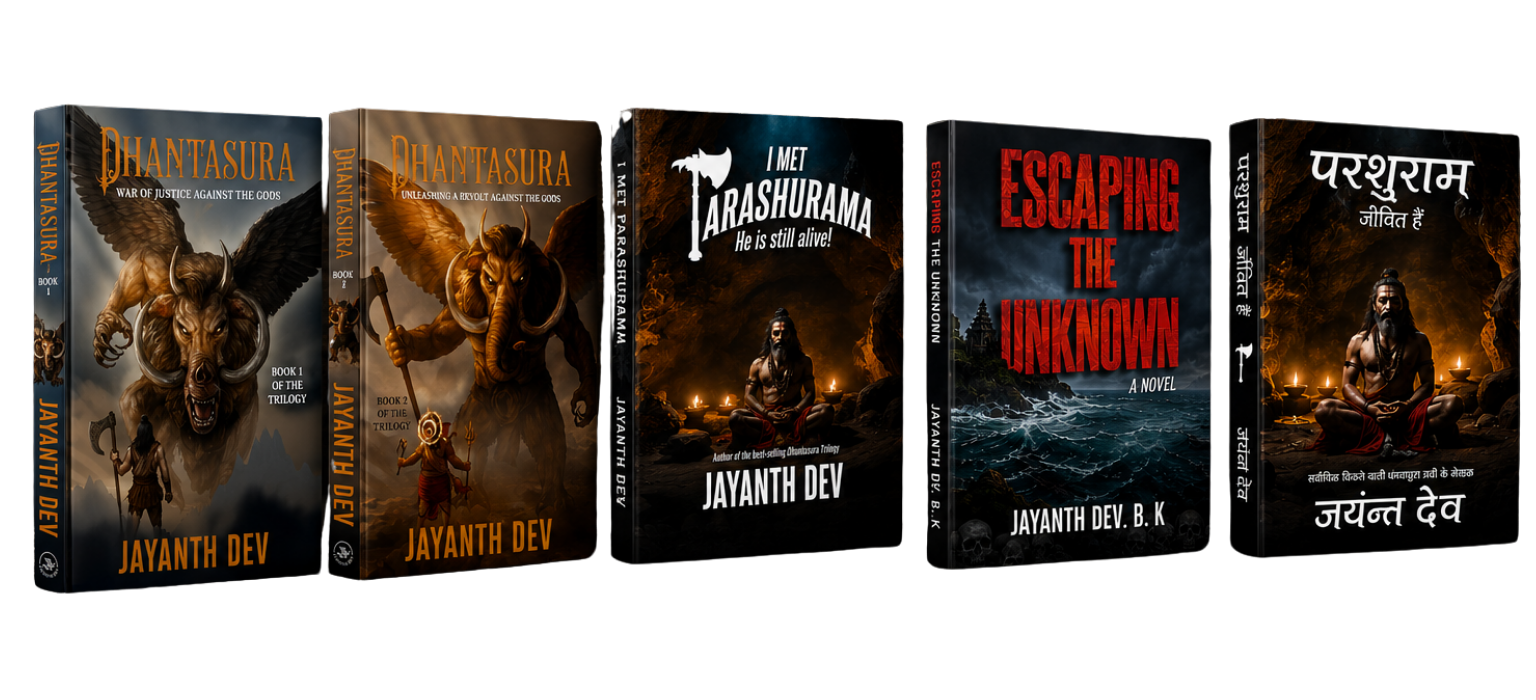
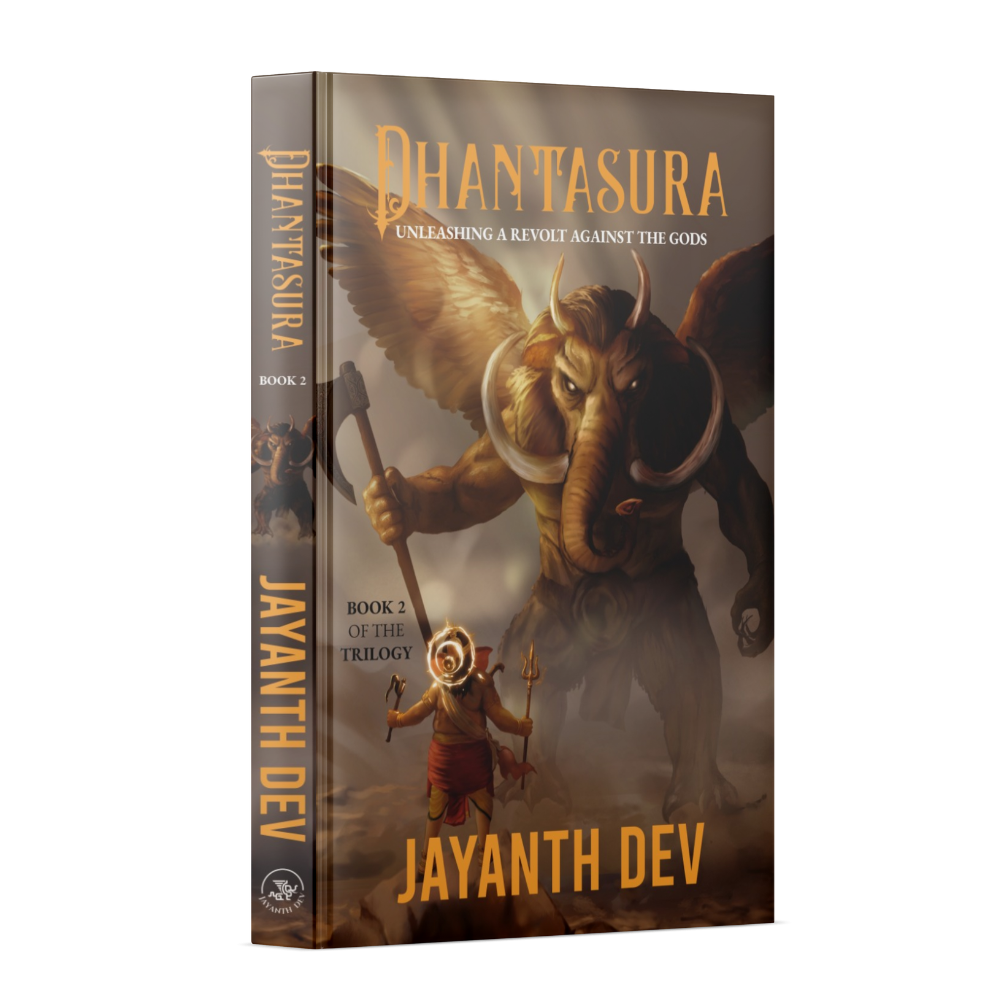
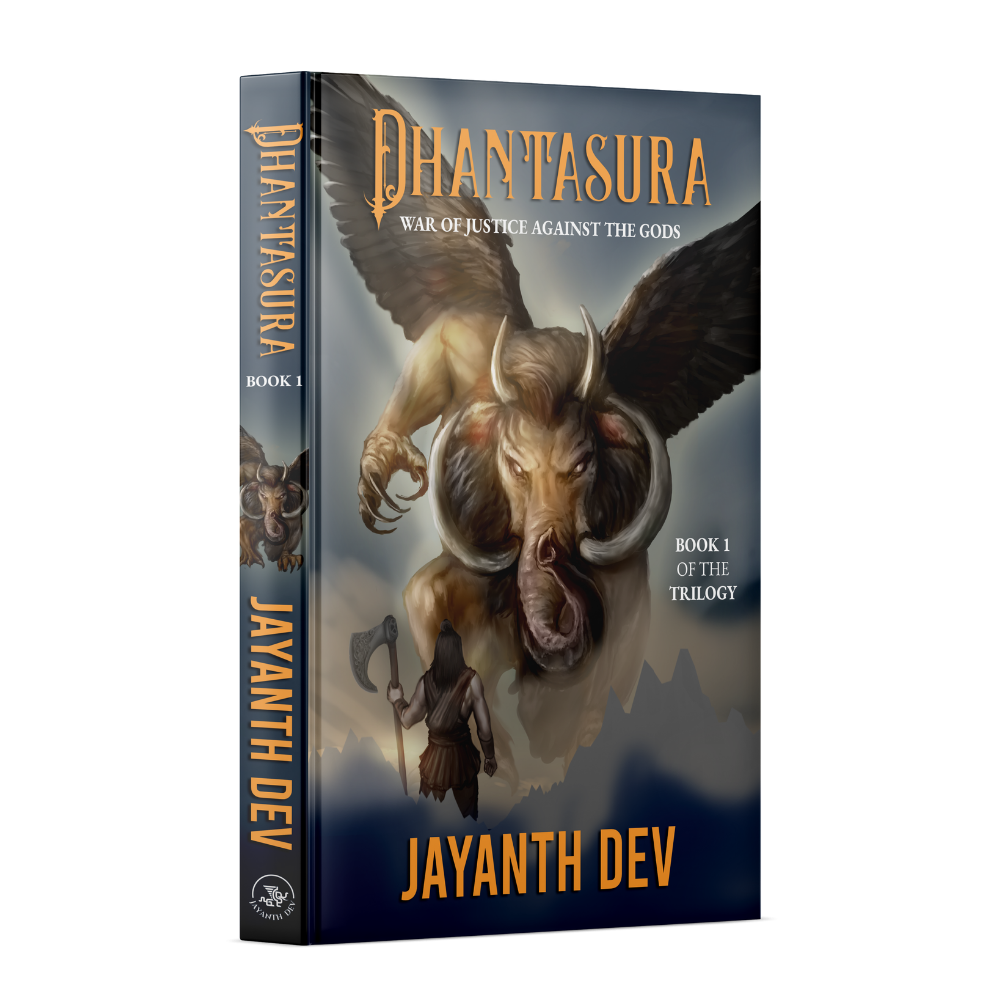
The Dhantasura Trilogy is a long-form narrative project rooted in Hindu tradition, examining dharma, authority, and consequence across generations.
Through the lineage of Mahishasura, Gajasura, and Dhantasura, the series explores conflict not as good versus evil, but as inherited responsibility and moral choice.
Stay Updated
Copyright © 2026 Jayanth Dev. Built with 💡 by Popupster.in — The Creative Marketing Company